Neurodiversity Index Report 2024
Posted on: March 14, 2024
Share this post:


We are excited to now be launching, for a second year in a row, the 2024 Neurodiversity Index Report inpartnership City and Guilds Foundation. The report marks another significant stride towards understanding and embracing the full spectrum of human cognition in our workplaces.
The first Neurodiversity Index Report found that employers are currently failing to support neurodivergent employees, and there is currently a lack of training available and awareness in most workplaces.
This year’s second edition delves deeper into the evolving landscape of neurodiversity at work, offering more insights, comparative data and actionable recommendations for organisations committed to fostering an inclusive environment.


“The findings in this year’s Neurodiversity Index reinforce the message that many employers could go much further in taking neurodiversity seriously and providing adequate workplace support for those who need it. As an organisation committed to skills development, we really want to see employers look at these findings and do more to support their neurodiverse employees. By incorporating more training, staff can become better educated and use those learnings to listen to neurodiverse employees and make reasonable workplace adjustments.” -- Kirstie Donnelly MBE CEO, City & Guilds
Thank you to all those who took part in this year’s Neurodiversity Index Report. Head to https://cityandguildsfoundation.org/what-we-offer/campaigning/neurodiversity-index/ to read the 2024 report.

Posted on: March 14, 2024
Share this post:
Our latest insights
Professor Amanda Kirby
•
October 26, 2026
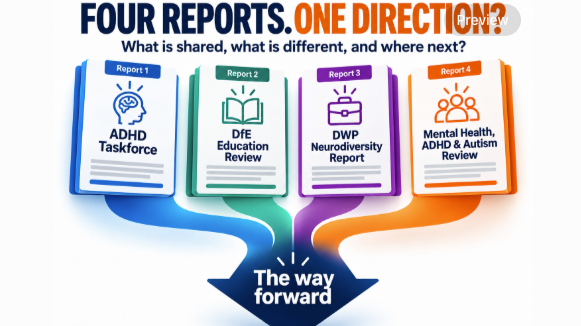
Four reports. Four perspectives. One direction of travel?
Are we finally moving from talking about neurodiversity to changing the systems that shape people's lives? Over the past 16 months I have been living...

Professor Amanda Kirby
•
September 30, 2026
The Ideal Office – Does that Exist? 5th City & Guilds ND Index: Progress not Perfection
In this week in which we are launching the 5th ( great news) City and Guilds Neurodiversity Index in partnership with the City and Guilds Foundation a...

Professor Amanda Kirby
•
July 1, 2026
From diagnosis to dynamic profiling – how digital tools can drive equity
For decades, we’ve organised neurodevelopmental differences into categories — autism, ADHD, dyslexia, developmental coordination disorder, and others ...